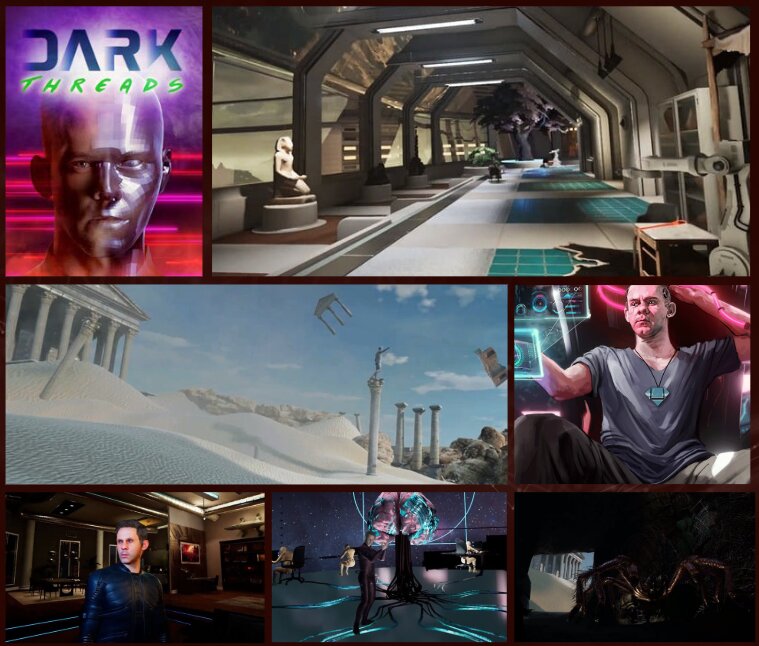
Challenge
In 2020, the PCVR market had a content gap between AAA-budget narrative experiences (Half-Life: Alyx) and tech-demo shorts. The thesis: a small studio could ship a commercially viable narrative PCVR experience if it controlled every part of the pipeline that usually leaks budget. The risk: PCVR audience size was hard to forecast and Steam’s review surface unforgiving.
Approach
Unreal Engine 4 for rendering. Xsens for full-body motion capture; Faceware for facial. A narrative structure with branching endings, sized to the actual audience’s session length (45-90 min, not 8 hours). Most of the budget went into performance capture; the rest into Steam launch readiness.
The engagement profile is what postreality.ca now calls the Summit tier: production-ready immersive product, instrumented and shipped, with the business outcomes measured.
Instrumentation
| KPI | Method | Notes |
|---|---|---|
| Steam revenue | Steamworks revenue dashboard | Lifetime, gross before Steam cut |
| Completion rate | Steam achievements telemetry | Per-ending completion |
| Reviews | Steam community | Read for narrative + technical signal |
Result
| The Number | ~$380K Steam revenue |
| Tier | REPORTED |
| Source | Steamworks revenue dashboard, gross, lifetime |
Impact
For a small-studio production envelope, the result validated the commercial PCVR narrative thesis. The cap-mo pipeline (Xsens + Faceware + Unreal) has stayed in our toolkit and shows up in subsequent immersive engagements.
What we’d do differently
We launched into a Steam discovery algorithm we did not fully understand. Marketing assumed PCVR audiences would find a quality release organically; they did not. Today the Summit tier ships a measurement plan that includes platform-discovery instrumentation from week one, not the week after launch.