Nine agents. One studio.
LLM agents run discovery, content iteration, knowledge-graph build, generative video, instrumentation, statistical honesty, and pre-ship QA on every engagement. Two are already in production with named partners. The rest ship inside engagements.
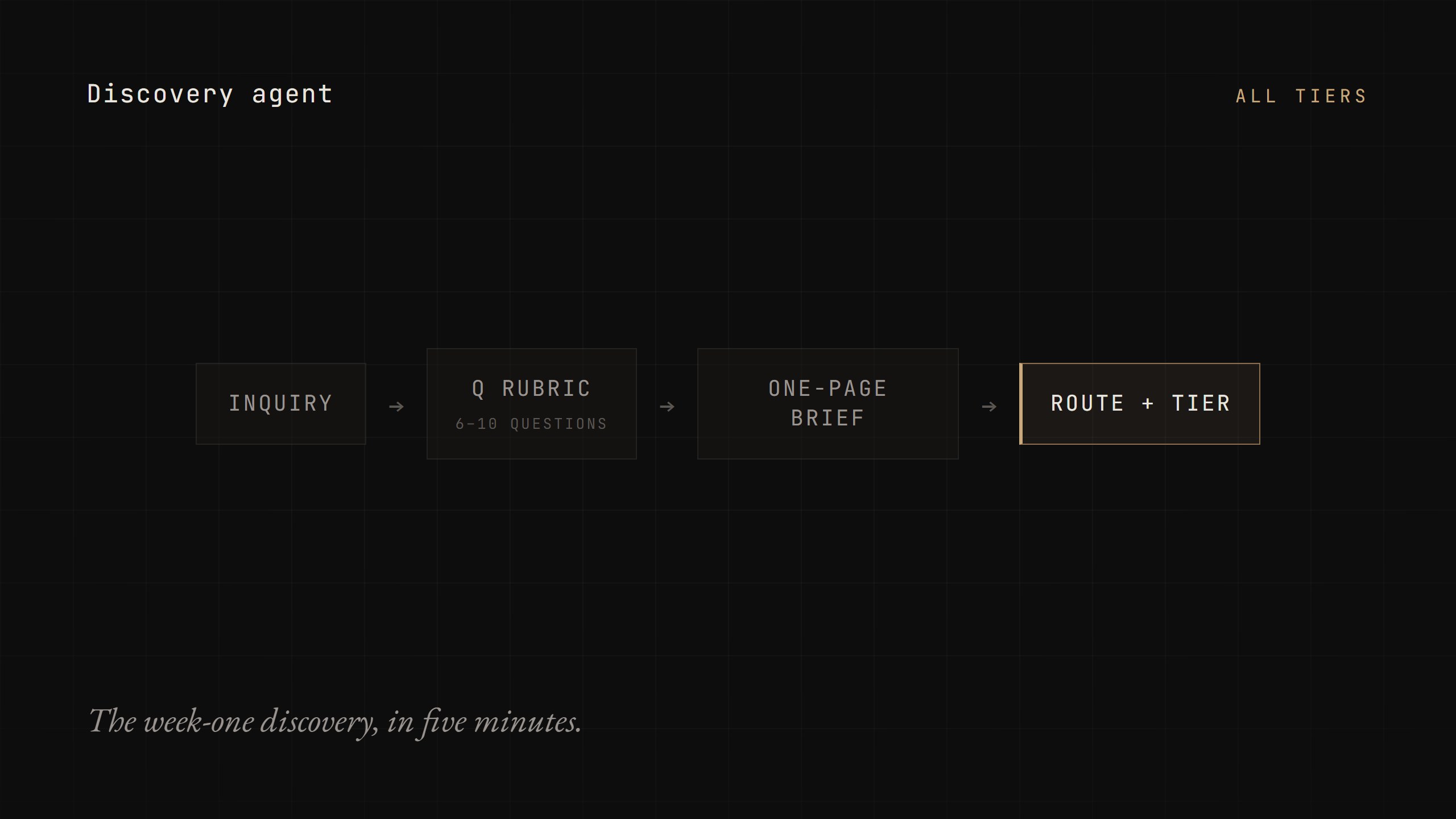
Discovery agent
All tiersRuns the structured client interview. Same rubric as Tyler's week-one discovery, in five minutes.
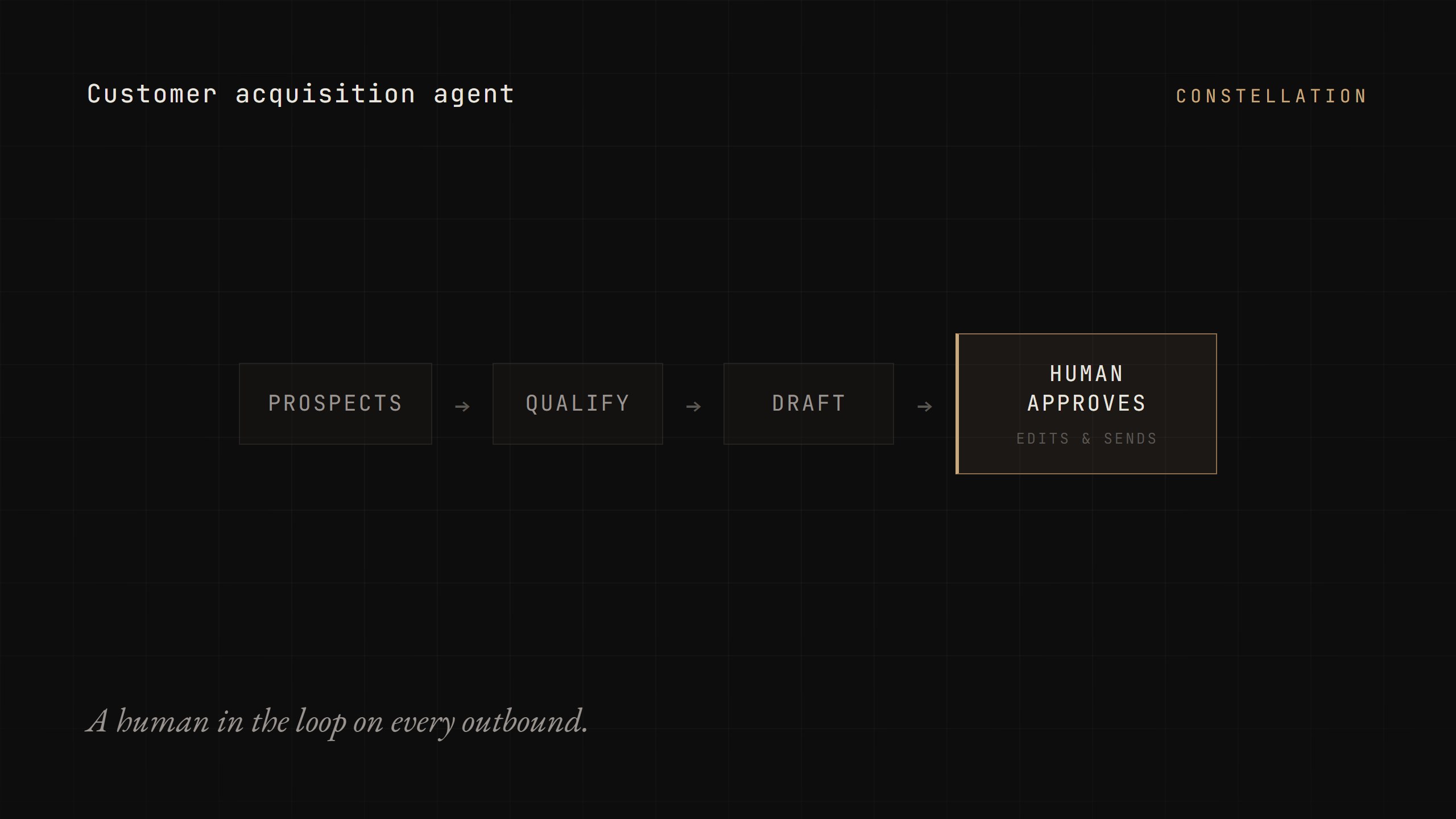
Customer acquisition agent
ConstellationTop-of-funnel discovery, prospect qualification, and pipeline state management. Built and shipped through the studio (originally by Tyler), currently licensed to a B2B SaaS partner and running in production. The studio builds similar bespoke agents for client teams at Constellation tier.
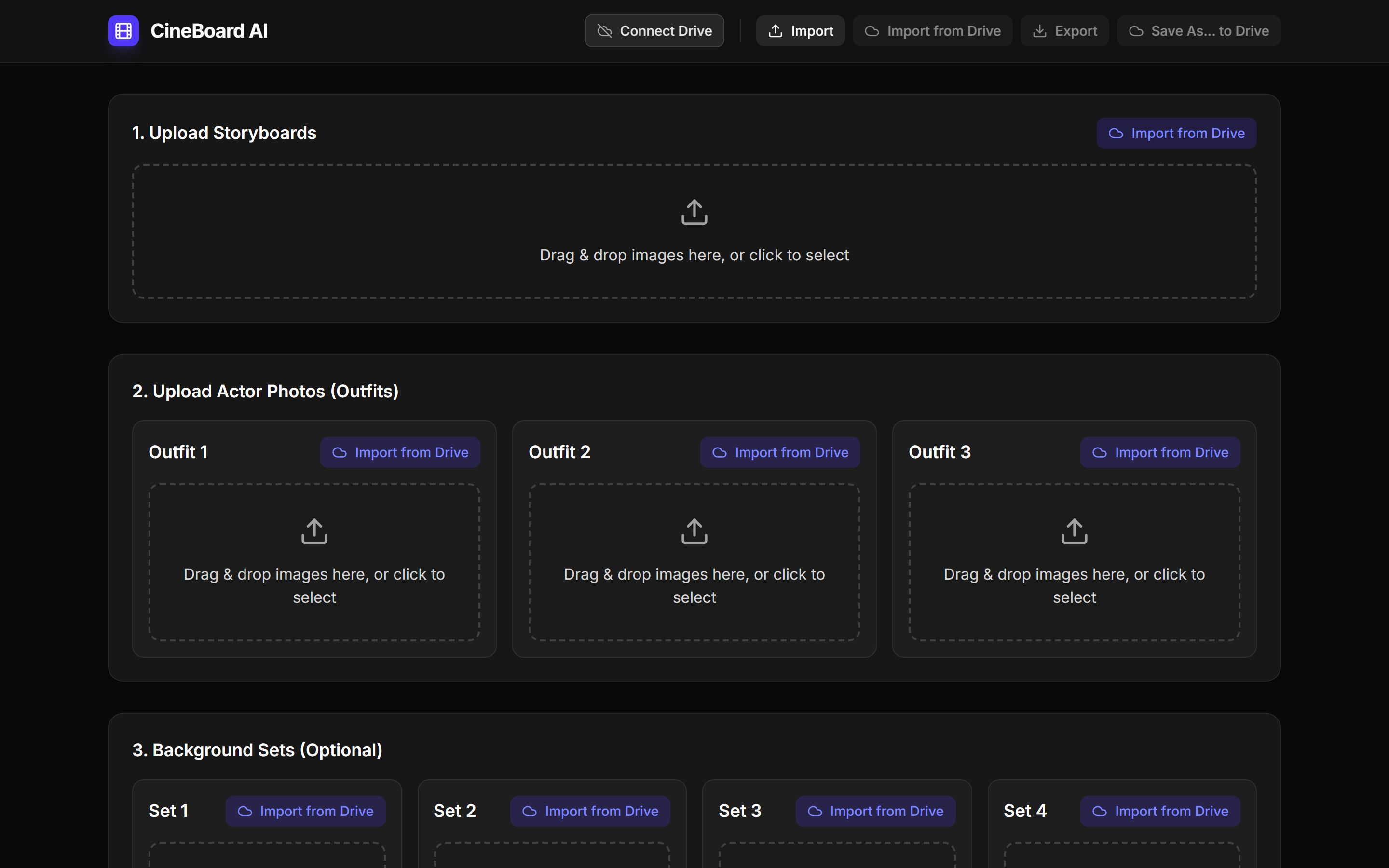
Generative video pipeline
Summit+Takes a script, a set of reference characters in their wardrobe, and a small library of background sets, and returns a coherent multi-act storyboard with consistent character continuity across shots. Built on a chained image-to-image pipeline with editorial veto at every act boundary.
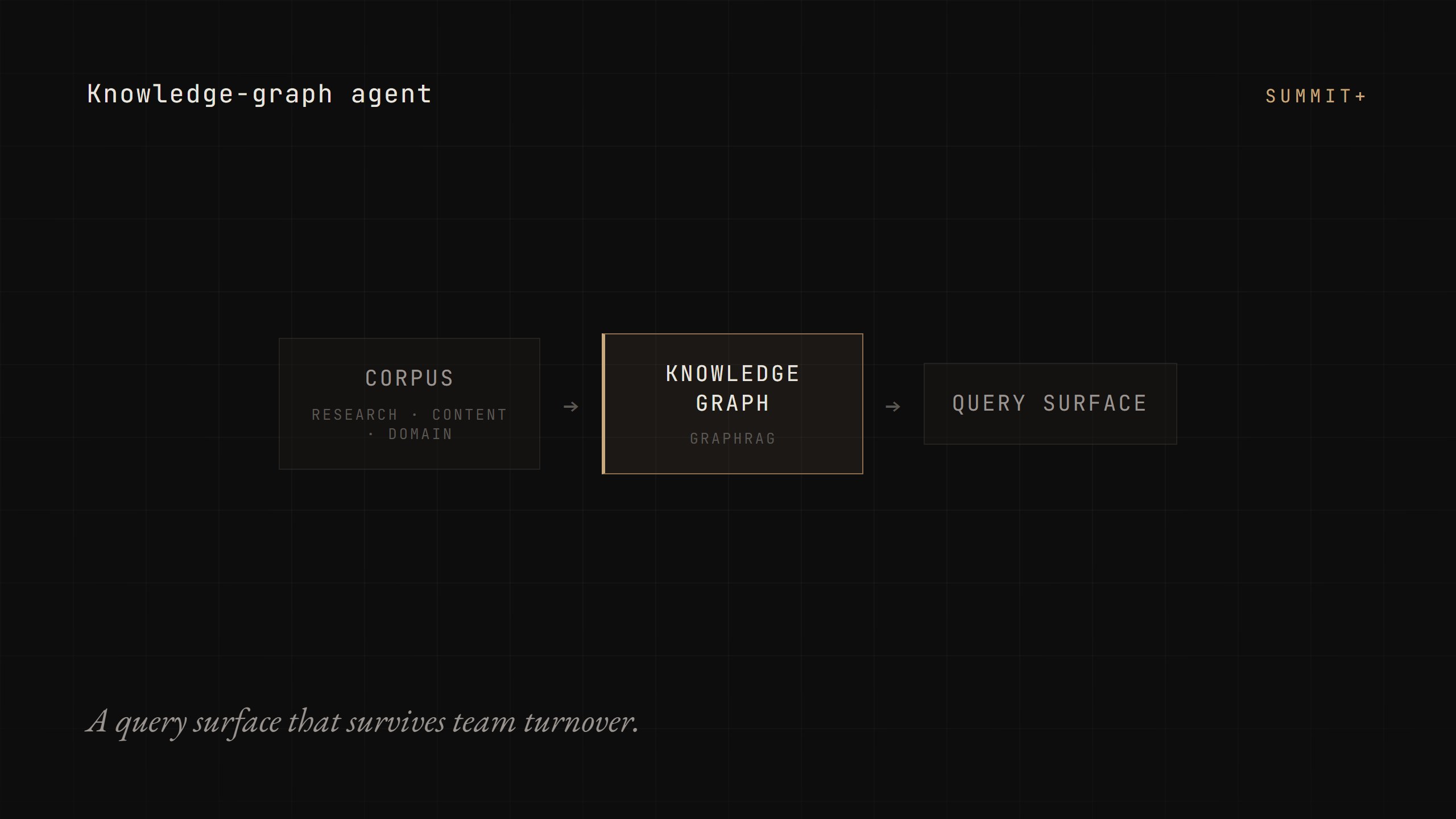
Knowledge-graph agent
Summit+GraphRAG over the client's research, prior content, and domain corpus. Turns unstructured material into a query surface that survives team turnover.
Content iteration agent
Summit+Generates variants of long-form deliverables from a brief, surfaces them for human review, learns from selections.
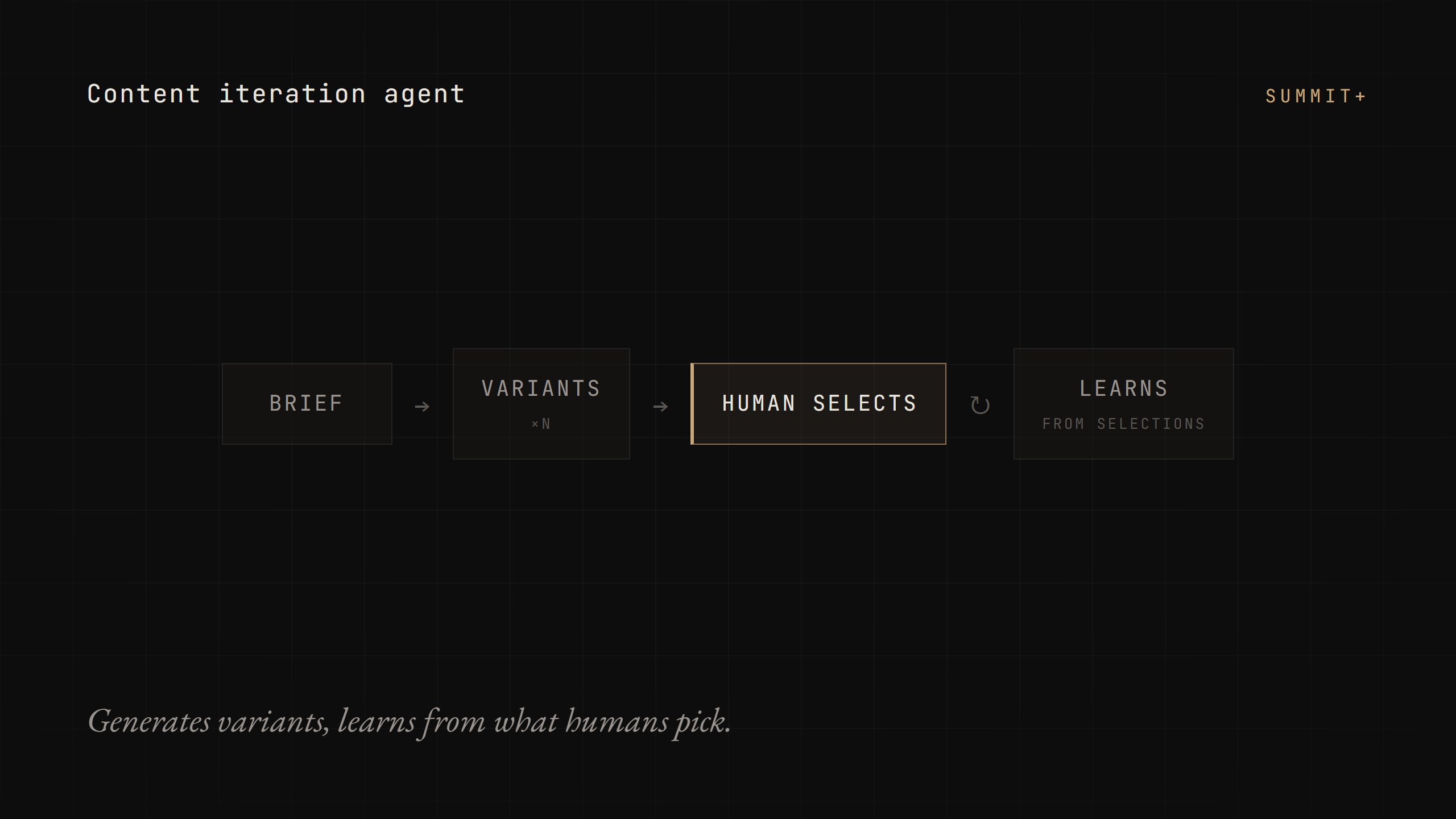
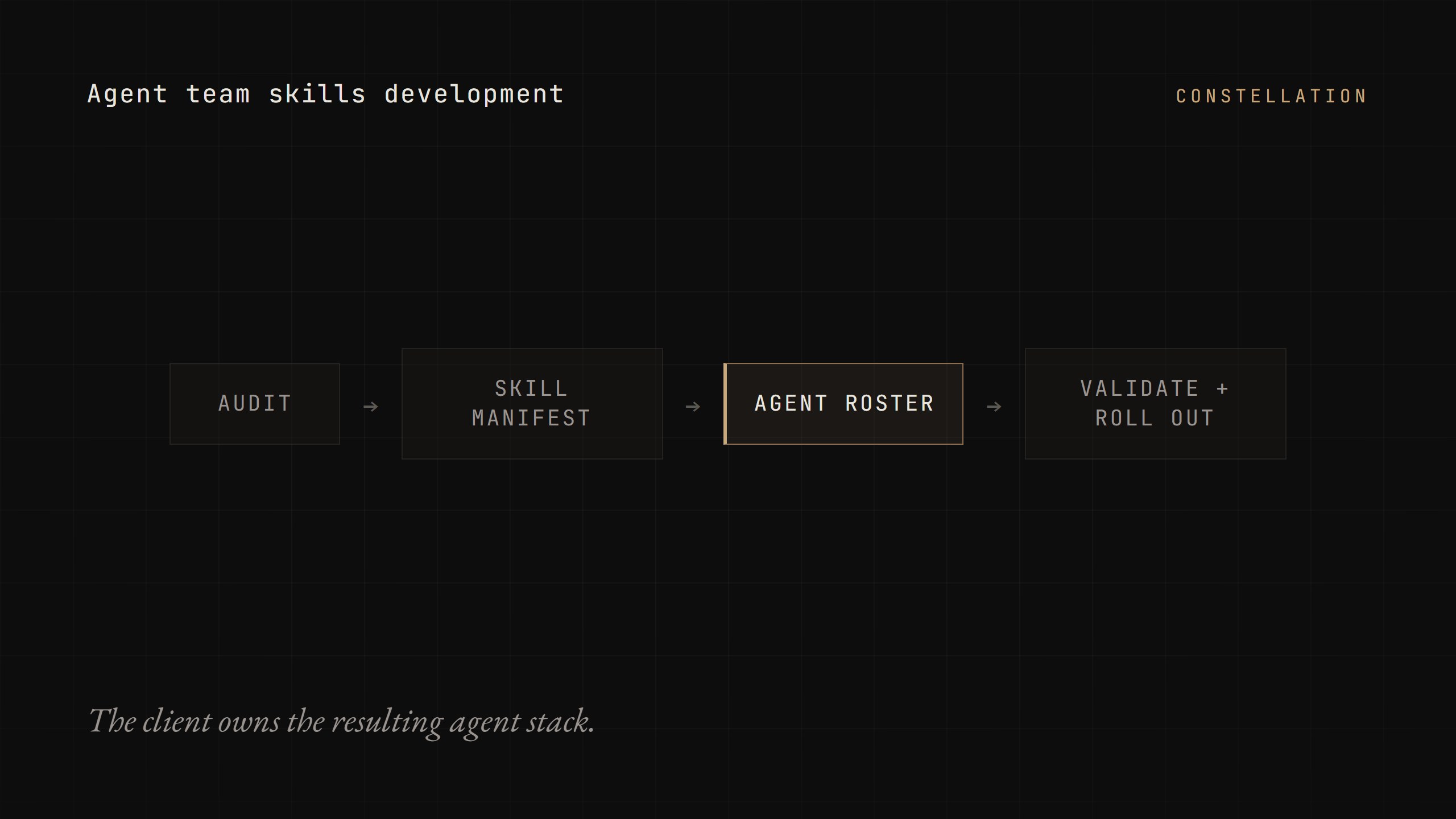
Agent team skills development
ConstellationDesigns the client's own agent and skills ecosystem: skill manifest, agent roster, validation pipeline, rollout plan. Based on the patterns the studio uses internally (the Healing Swarm Skills open-source ecosystem and the Sigillerie design-studio skill toolkit). The client owns the resulting agent stack.
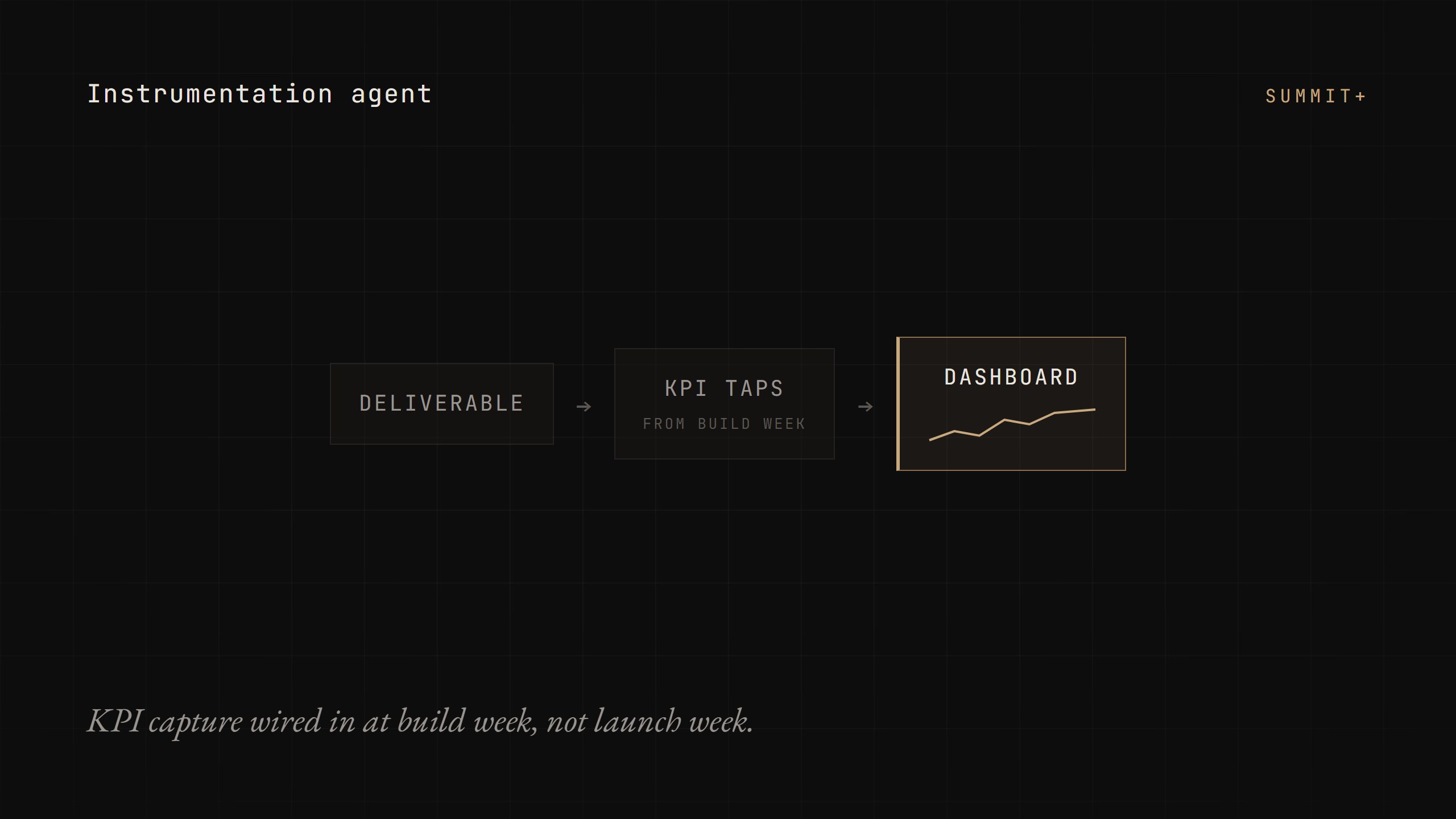
Instrumentation agent
Summit+Sets up performance dashboards. Wires KPI capture into the deliverable from build week, not launch week.
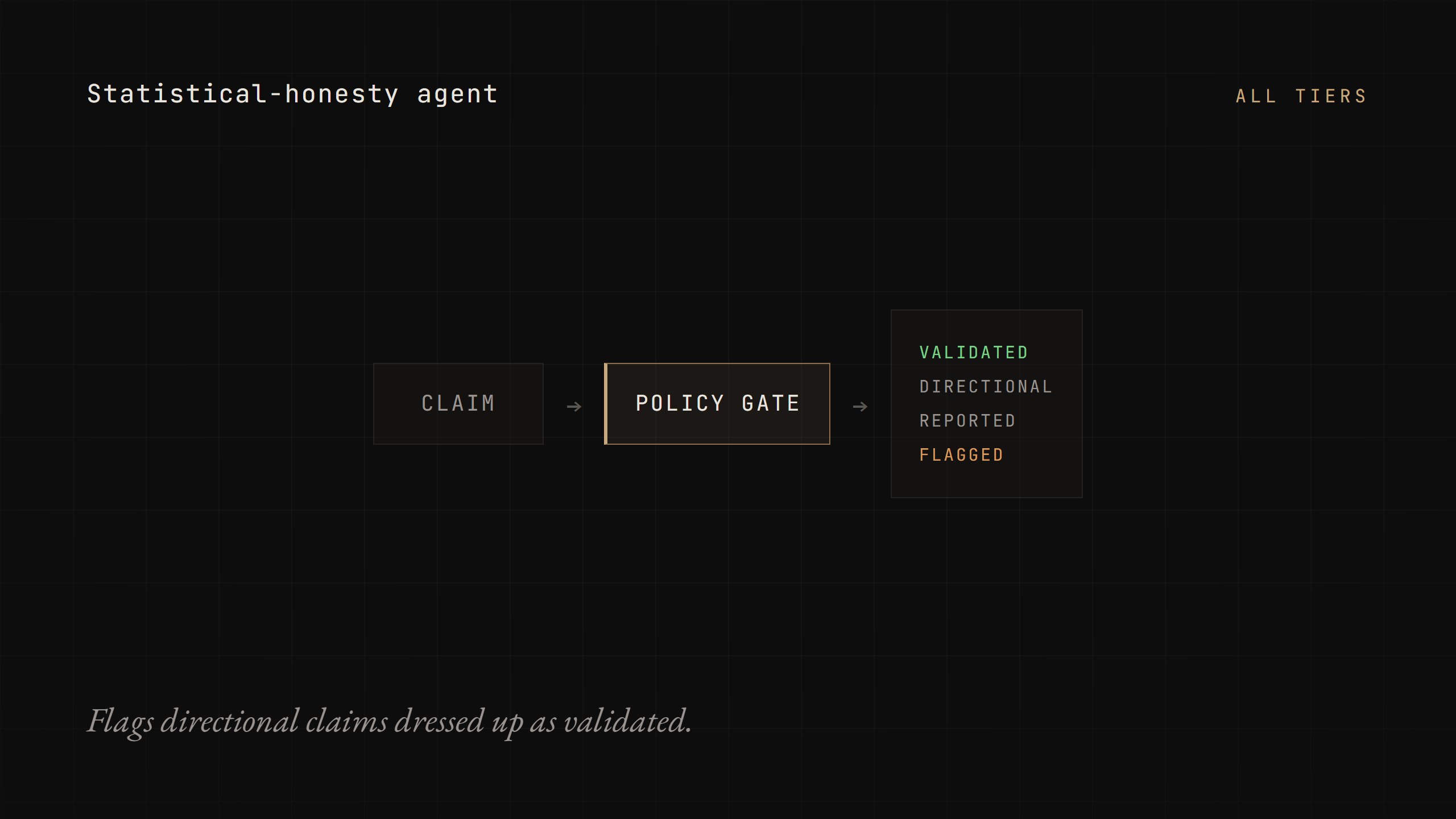
Statistical-honesty agent
All tiersGates every public claim through the measurement policy. Flags directional-tier claims dressed up as validated.
QA agent
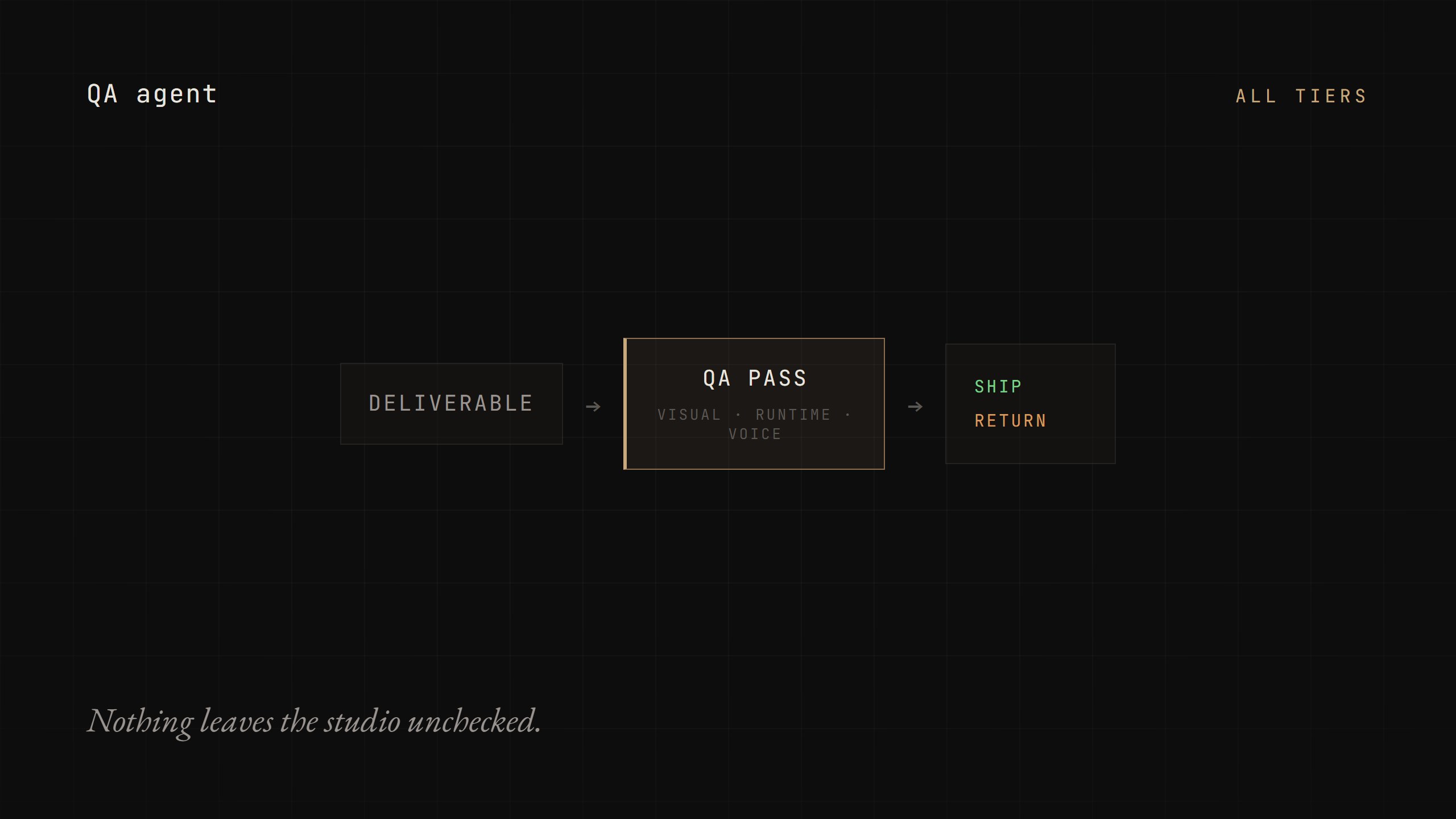
All tiersPre-ship deliverable review. Visual rubric pass, runtime error scan, voice-rule check before anything leaves the studio.
- → Agents are production tooling. Not marketing. Not features.
- → Agents handle the structured work humans do badly (consistent rubrics, exhaustive checklists, large-corpus retrieval).
- → Humans handle the work agents do badly (taste, judgment calls, conversations with real stakeholders).
- → When an agent can't make the call, it surfaces the decision to a human. It does not guess.
- → Every agent claim that reaches the client carries an evidence tier. Same discipline as the measurement policy.
The intake agent runs the same five-minute discovery the studio uses in week one.
You'll get a one-page brief, a tier recommendation, and an honest no-fit answer if your problem belongs somewhere else.
The agent is an AI. It will not pretend to be Tyler.
Three of the nine agents above are visible from the outside: the discovery agent (you can talk to it at /agents/intake), the customer acquisition agent (licensed and running in production with a B2B SaaS partner), and the generative video pipeline (in production internally, shown here as a real screenshot rather than a live link out of respect for the deployment's privacy). The other six ship as part of engagement deliverables. The schematic on each card shows how that agent runs; it is an illustration of function, not a tool you can open from here.
If you want to see the engagement agents in action, the path is Atlas. By week three of an Atlas engagement, the relevant agents are running on your project.